IR

No double standards here.... 37

According to an article in LETA today, 27 October 2011 ("Klementjevs: Grieķijas parādu samazināšana pierāda ES pastāvošu dubultmorāli"), parliamentarian Andrejs Klementjevs of Harmony Center (SC) argues that it displays double standards that a debt reduction has been agreed for Greece but not for Latvia.
Grie_u_protests_afp-media_large
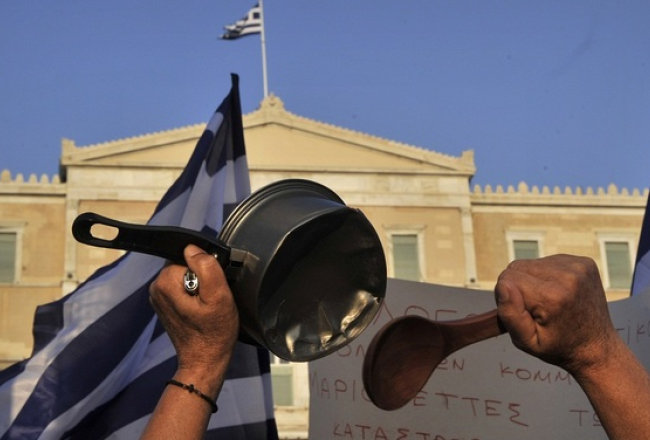
Grieķi visādā veidā protestēja pret budžeta samazināšanu. Foto: AFP/LETA
Morten Hansen 31.oktobris 2011 09:22

Hereby Mr. Klementjevs seriously misunderstands what has been agreed. Furthermore, he does not seem to appreciate the huge difference between Greece and Latvia.

Mr. Klementjevs is conflating the issues, seemingly oblivious to the fact of which type of debt has been reduced.

Latvia's international lenders, mainly the IMF and EU, have NOT seen the value of their loans to Greece reduced. Reduction of Greek debt (the oft-mentioned "haircuts") comes solely from private bondholders, mainly commercial banks in France and Germany.
It would also be entirely hypocritical for Latvia to claim debt relief. As I have argued on an earlier occasion Latvia is not at all unable to repay its loans from the international lenders; rather the burden of doing so will be relatively small. Latvia is in no way or form comparable to Greece, which the following graph demonstrates.

Gross government debt as a per cent of GDP, 2010


Source: Eurostat

Debt-to-GDP is very moderate by EU standards, it is easily sustainable and is less than a third of the Greek level. Asking for debt relief in such a case is hypocritical beyond belief! Should e.g. Finland (slightly higher debt-to-GDP than Latvia) also have its debt reduced?

Much more interesting and relevant would be a discussion of whether Latvia did the right thing when it nationalized Parex without imposing haircuts on the bondholders of that bank. Some 775 mill. EUR of syndicated loans and 200 mill. of Eurobonds saw no haircuts, letting, eventually, Latvian tax payers fund the bill. Similarly with Hipoteku banka. Reasonable and fair? I am not so sure; just look at the debt burden Ireland accepted when bailing out its banking system.

But back to Mr. Klementjevs: His point is a complete non-starter.

Morten Hansen is Head of Economics Department, Stockholm School of Economics in Riga


Ieteikt šo rakstu? Jā(10)

Populārākie viedokļi

nulle Bet tā atlikusī puse būtu daudz lielāka nekā viss parāds tagad.
Pie tam SVF viņiem neko nav atlaidis un neatlaidīs.
 +1  Radius_box_plus Radius_box_minus  ATBILDĒT  1.novembris 2011 11:01
Buu Principā daļas parāda "norakstīšana" ir tikai kosmētisks paņēmiems, lai nebūtu jālieto briesmīgie vārdi "defolts" vai "bankrots".
Mainot saskaitāmos vietām, summa nemainās - līdzīgi arī te, vai daļa parāda tiek piespiedu kārtā brīvprātīgi norakstīta, vai Grieķija pasludina defoltu, privātie kreditori tik un tā savu naudu nedabūs un visiem ir skaidrs, ka Grieķija nespēj savas saistības pildīt un iepirktās obligācijas kalpos tikai kā dārga makulatūra.
 +4  Radius_box_plus Radius_box_minus  ATBILDĒT  31.oktobris 2011 14:11
aizjūrniece Thanks for the clarification! You're filling a void - or at least I haven't noticed anyone in the Latvian language media making these crucial distinctions.
 +6  Radius_box_plus Radius_box_minus 1 ATBILDE  ATBILDĒT  31.oktobris 2011 10:39

Skatīt visus viedokļus → Pievienot viedokli →

Citi viedokļi

Saeima_balsu_skait__ana_edijsp_lens_leta-second_compact
Nākamais raksts

Aizklātais tiesiskums (20)

Aizklātie balsojumi bija viens no iemesliem, kuri noveda pie iepriekšējās Saeimas atlaišanas

DELFI